

Album Review - In Rainbows by Radiohead
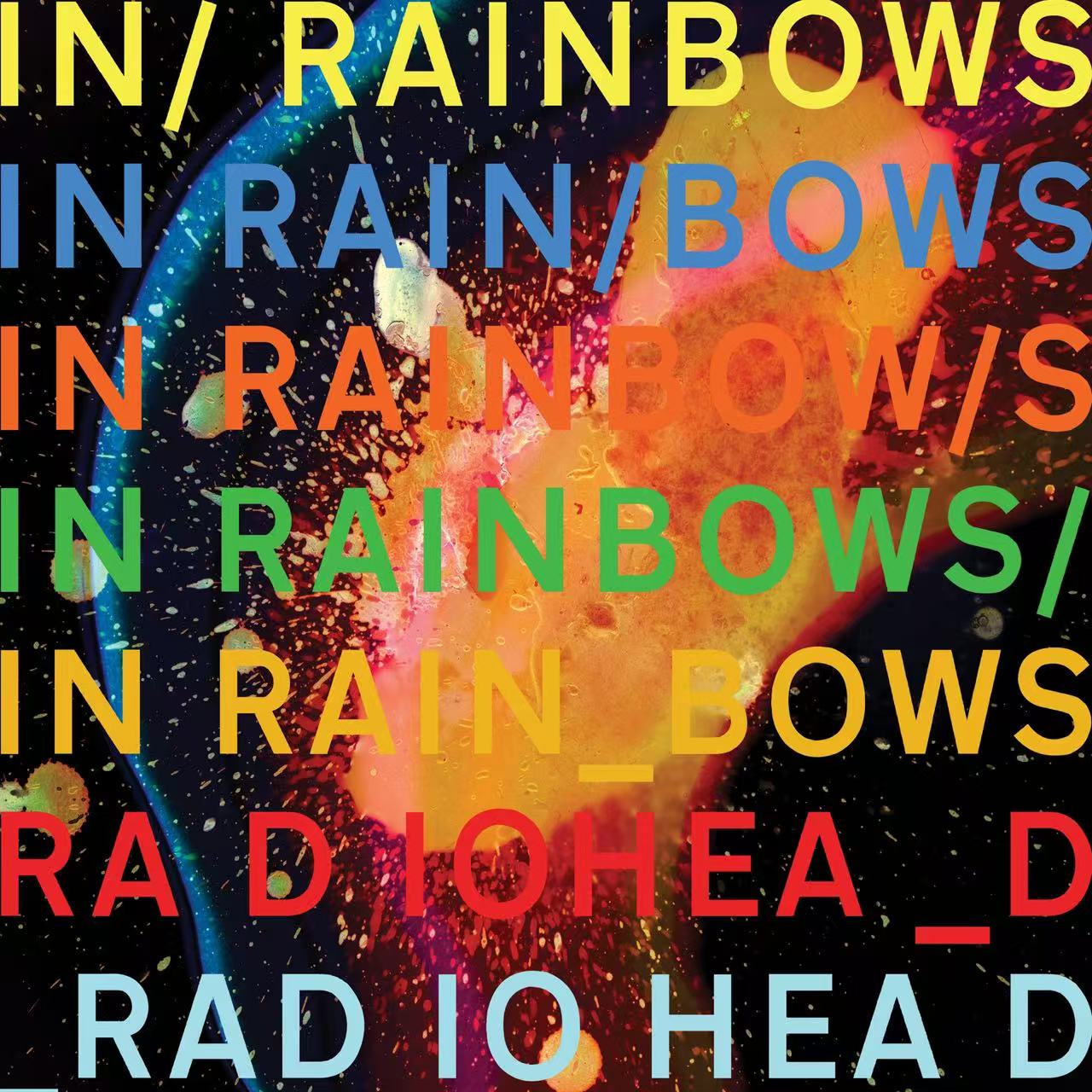
Genre: Art Rock / Alternative Rock
Rating: 10/10
Have you ever seen the rainbows after a storm? They are fragile, fleeting, yet bursting with color. Just like Radiohead’s seventh studio album, In Rainbows, which glows with emotion, intimacy, and a dazzling spectrum of feelings.
From the Britpop peak of The Bends, to the alternative electronic textures of OK Computer, and then to the radical, experimental left-turn of Kid A - probably one of the most groundbreaking moves in 21st-century’s music industry — fans eagerly awaited Radiohead’s next move, curious to see what bold new direction they would take. And yet, with In Rainbows, they returned to something profoundly human. Drawing on all their prior explorations, they wove together electronic, classical, grunge, and more into arrangements that felt more mature, more cohesive, and richer than ever. It may well be Radiohead’s greatest musical achievement — and perhaps even one of the greatest albums ever made.
The album kicks off with a track called “15 Step”, a quirky song in 5/4 time, propelled by jittery, fragmented beats from an electronic drum machine. “How come I end up where I started?” Thom sings — but actually, this is no mere return to the beginning for Radiohead; it’s a dazzling comeback, carrying with it everything they’ve discovered along the way. They are climbing a spiral staircase — returning, yet always rising.
This album strikes a remarkable balance between accessibility and experimentation. Here, Radiohead dress some songs in minimalist clothing — but underneath lie layers of intricate details. Take the closing track, “Videotape”: they cleverly hide syncopated rhythms, making the song feel as if it moves at half its actual pace. And consider the second track, “Bodysnatchers”, which opens with a metric fakeout that leaves listeners disoriented, unable to predict when the first drum hit will land.
This album also represents the pinnacle of Radiohead’s atmospheric beauty. Take “Nude”, as an example — its opening drifts in on Thom’s ethereal chant and delicate, floating strings, so beautiful you can almost see the music trace curves in the air — curves that seem to be created by God. At the album’s climax, “Weird Fishes / Arpeggi”, (which is my personal favourite Radiohead song), the interplay of arpeggios and off-kilter guitar rhythms creates the sensation of ocean currents swelling and receding. And in the moment when the drums finally crash in during the latter half, it feels as though the entire world is falling.
Though each track on the album has its own distinct style, they are all somehow bound by a strong internal coherence, each an indispensable piece of the “In Rainbows aesthetic”. At times exhilarating, at times tender, at times melancholic, the album takes listeners on an emotional rollercoaster, rising and falling with the music’s shifting moods.
The lyricism of this album is also outstanding. In “Reckoner”, the line “Because we separate, like ripples on a blank shore” evokes a delicate, haunting image of parting. And in “Jigsaw Falling Into Place”, the opening sequence of “Just as…” sets the scene with a few quick, vivid snapshots, pulling the listener into its fractured narrative.
The great 43-minute album closes with “Videotape”, its haunting outro like the steady rhythm of a train gliding over iron tracks — inevitable, fragile, yet strangely comforting. As the final notes fade, you can almost picture yourself at “the pearly gates”, watching a videotape of your life, dancing across this colorful, fleeting world, leaving ripples behind. Perhaps life itself is an “In Rainbows”: a journey full of ups and downs, quiet beauty and crashing storms, where we circle back again and again, where we tried to capture the happy moments but always failed. Well, that is life, beautiful things are destined to pass, yet we danced — and that, perhaps, is enough.